

Some people consider shady areas in their landscape a challenge when trying to grow flowering plants. One of the many yards I have gardened in had quite a bit of shade. As I explored shade-tolerant plants, I discovered that there is a wide range of possibilities.
The first step to planning your shade garden is to assess the types of shade found in your yard. You’ll find many different descriptions of shade but here are a few often used terms.
· Dappled shade – sunlight that filters through the tree canopy throughout the day.
· Light shade or part shade – receives about 3 to 6 hours of sunlight. Plants preferring full sun generally can handle this amount of shade.
· Full shade – gets less than 3 hours of sunlight.
· Deep shade – receives almost no sunlight. This type of dense shade can be created by large evergreens or tall buildings.
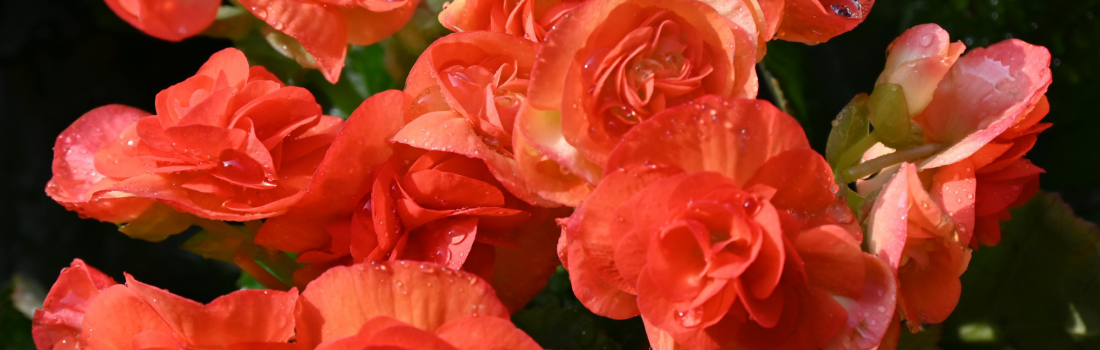
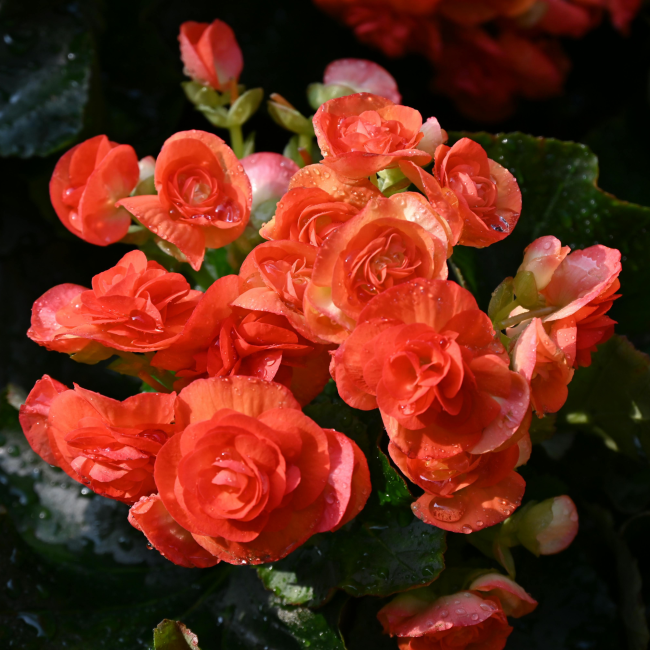
Flowering annuals do not bloom well in heavy shade, but I have enjoyed wonderful color in areas of partial or dappled shade with coleus, begonias, nasturtiums and nicotiana, commonly referred to as flowering tobacco.
Some of my favorite perennials for shade include astilbes, cardinal flowers, bleeding hearts, coral bells, hostas, and lungwort. Many perennials bloom well in light shade. For denser shade, consider woodland wildflowers such as wild columbine, Virginia bluebells, woodland phlox, Solomon’s seal, false Solomon’s seal, Dutchman’s breeches, wild ginger, and Jack-in-the-pulpit.
I tend to plant my shade-loving perennials in clumps, as their flowers are often delicate and not as noticeable on their own. Many shade-loving perennials bloom for only a few short weeks but offer striking foliage that adds form and texture to the garden long after the flowers have faded. Although light colors stand out in the shade, don’t be afraid to incorporate darker tones such as reds and purples for added richness.
When planning your shade garden, keep in mind that shade-lovers tend to scorch in too much direct or intense sunlight. Also, when selecting plants, be mindful of their soil moisture needs. Many, such as astilbe and cardinal flowers, prefer moist soils.
For shaded problem areas such as sites with a thin, rocky soil layer or those prone to erosion, I have found success in planting perennial groundcovers. Many groundcovers perform very well in shade (see the UW–Madison Extension article, Alternatives to Lawn: Groundcovers).
So, if you are planning a shade garden, take a stroll through a nearby woodland for inspiration. Our native woodlands are home to many beautiful, shade-loving perennials. Notice nature’s subtle way of blending their colors with interesting leafy textures and
shapes in a way that is often unique from plants found in sunny locations. Use nature as your guide to create a shady retreat in your yard.
- Other resources to explore include: · University of Minnesota Extension publication, Gardening in the shade.
- UW Madison Division of Extension Horticulture website which includes a wide variety of gardening resources including information on trees, shrubs, herbaceous ornamentals, native plants and pollinators.